
As a vegan, when it comes to wearing leather your choices are fairly stark: wear synthetic leather, or don’t wear it at all. But when we start talking about vegan leather sustainability, the question becomes more complicated. Is vegan leather really an ethical and sustainable option, or does the label hide bigger environmental problems?
The answer isn’t straightforward, but I want to lay out what I’ve found so you can make informed choices about vegan leather, ethical leather, and sustainability moving forward.
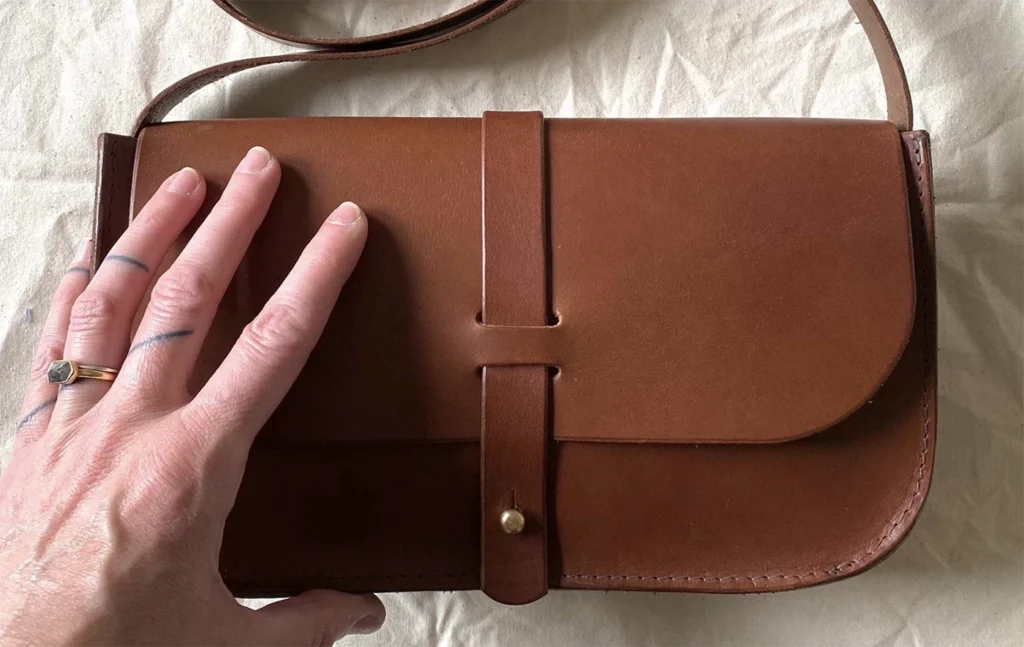
Vegan or faux leather can be produced from a wide range of materials including cork, bark cloth, waxed cotton, paper, polyvinyl chloride (PVC), polyurethane, recycled rubber, coolstone “leather”, apple leather, and muskin (mushroom leather). Some of these materials show real promise from a sustainability perspective, while others raise serious environmental concerns.
Most faux leather is made from a fabric base that is chemically treated with waxes, dyes, and polyurethane to create colour and texture. The other major mainstream option is PVC, which has been the go-to leather substitute for decades. PVC is widely used in the construction industry for products such as window frames and piping — a clue, perhaps, that its environmental footprint is not insignificant. Roughly 40 million tonnes a year are produced.
So when we look at vegan leather sustainability in real terms, we have to ask: are faux leathers actually a better alternative to real leather?
For many vegans, ethical leather is a contradiction in terms. Animal welfare is often the primary reason for choosing a vegan lifestyle, which means leather — regardless of how it is produced — is off the table.
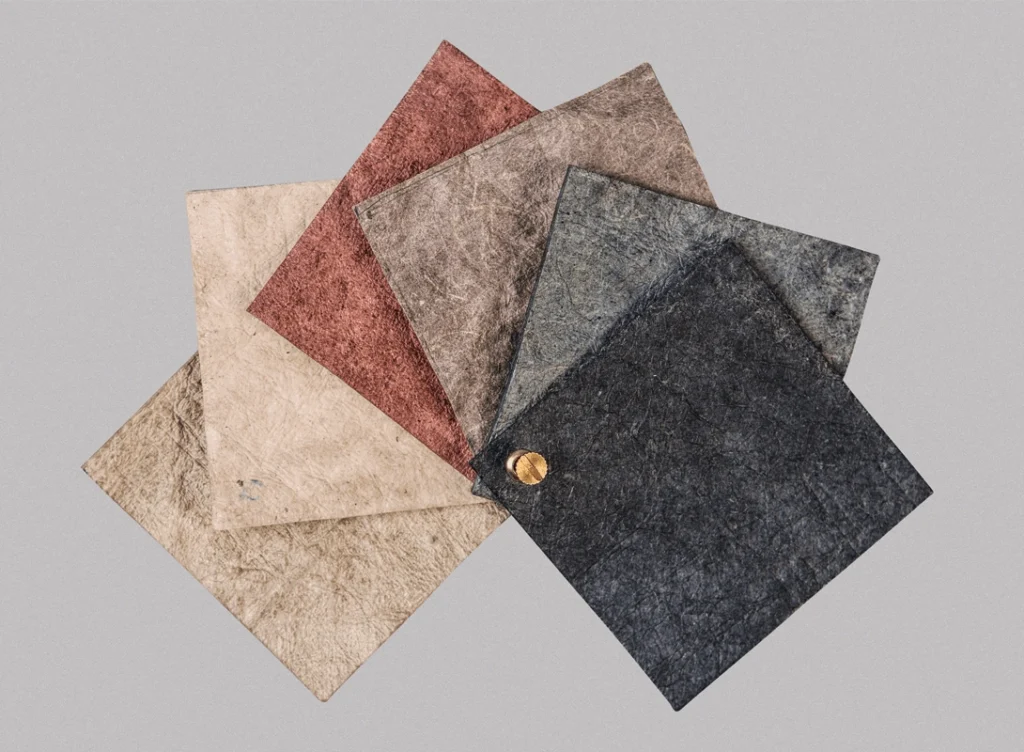
The good news is that truly vegan leather alternatives are no longer theoretical! They’re beginning to exist in the real world, offering genuine options for those who want the look and function of leather without the animal. Apple and coconut “leathers” sit within this shift, built around agricultural by-products rather than extraction: apple leather uses the skins, cores and pulp left over from juice production, processed into a flexible sheet and usually reinforced with a small amount of polymer for durability, and is already in commercial use for bags, footwear and accessories.
Coconut leather is earlier-stage and more experimental, often made by fermenting coconut water into bacterial cellulose and combining it with natural fibres to create a soft, durable material; some versions are fully plant-based and biodegradable, though production remains small-scale. Where apple leather is established and scaling, coconut leather is still emerging — both pointing towards a more circular future for ethical materials.
For those without a vegan lifestyle but who are worried about the ethics of animal skins, it is important to look for leathers that are a sustainable by-product that is also biodegradable.
The majority of leather produced globally is a by-product of the meat and dairy industries. Animals are not killed solely for their hides, and if leather were not used, it would become a highly wasteful industrial by-product. If animal welfare is not the sole or primary driver for veganism, then the sustainability of materials is another important factor to consider.
Traditional mass leather production has historically relied on tanning processes that are far from environmentally friendly. Mainstream tanning chemicals often include formaldehyde and coal-tar derivatives for coatings and finishes, some of which are cyanide-based.
As sustainability becomes more urgent, the leather industry has had to adapt. One of the most compelling alternatives is vegetable-tanned leather, which is widely regarded as the most environmentally responsible form of real leather available today.
Vegetable-tanned leather avoids harsh chemicals and instead uses natural tannins extracted from trees and vegetable matter. These tannins are infused into the grain of the hide, with chestnut tannin commonly used to produce rich, earthy tones of tan and brown. This method of tanning dates back centuries and remains one of the most authentic ways of curing leather.
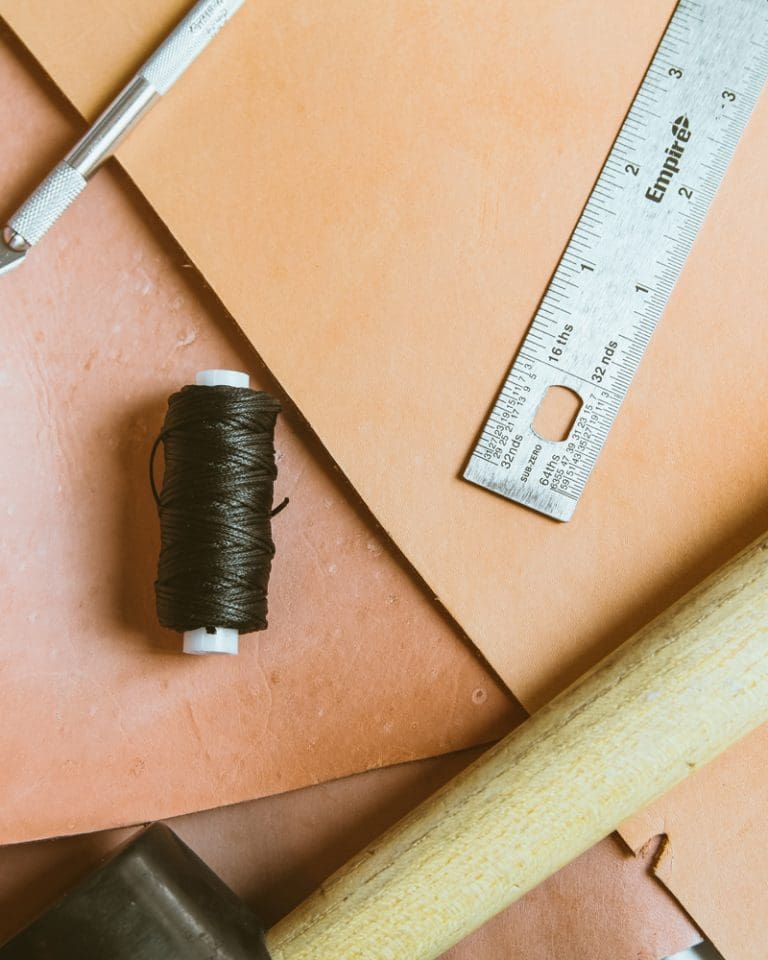
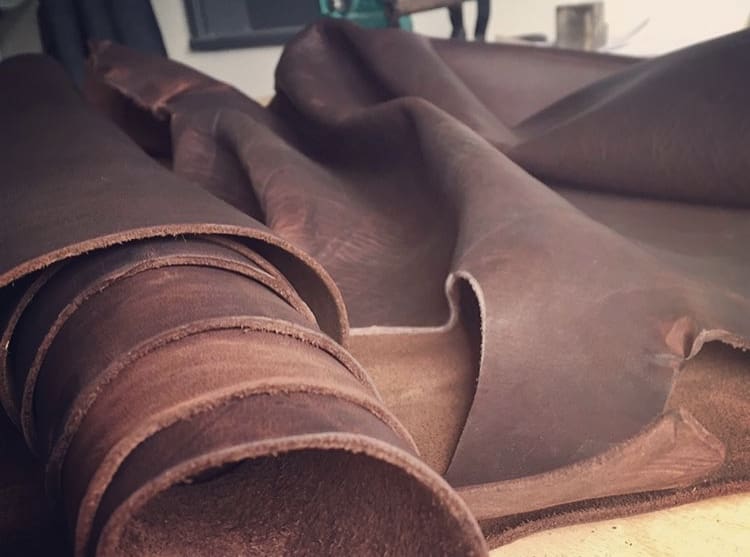
Traditional vegetable tanning is still practised today using slow, energy-efficient processes. Hides are treated in wooden barrels and left to dry naturally, curing in the air rather than being forced by machinery. No synthetic substances are involved, and the leather develops character over time through patina, making each piece unique to its owner.
Waste is inevitable in any manufacturing process, but in regions such as Italy — where leather tanning is world-renowned — waste materials are recovered and reused. Fibres removed during tanning are recycled into agricultural fertilisers, while waste from depuration processes is repurposed within the construction industry.
When comparing vegan leather sustainability with ethical leather alternatives, vegetable-tanned leather often has the environmental edge due to its durability, longevity, and ability to biodegrade naturally.
PVC and polyurethane-based vegan leathers rarely last as long. From a durability standpoint, real leather improves with age, while synthetic alternatives tend to crack, peel, and deteriorate. Ethical leather can be repaired, recycled, or upcycled, whereas faux leather is difficult to repurpose once it breaks down.
Leather is undeniably tied to the meat and dairy industries, which have their own serious sustainability challenges. Reducing meat consumption would ease environmental pressure overall, but realistically, that shift will be slow and uneven.
This raises a difficult but important question:
CAN — AND SHOULD — LEATHER BY-PRODUCTS BE USED ETHICALLY?
The goal of sustainability is to move towards closed-loop systems. With ethical leather, particularly vegetable-tanned leather, this loop already exists to a significant degree. Faux leathers, by contrast, do not biodegrade and require intensive processing to be repurposed, if repurposing is even possible.
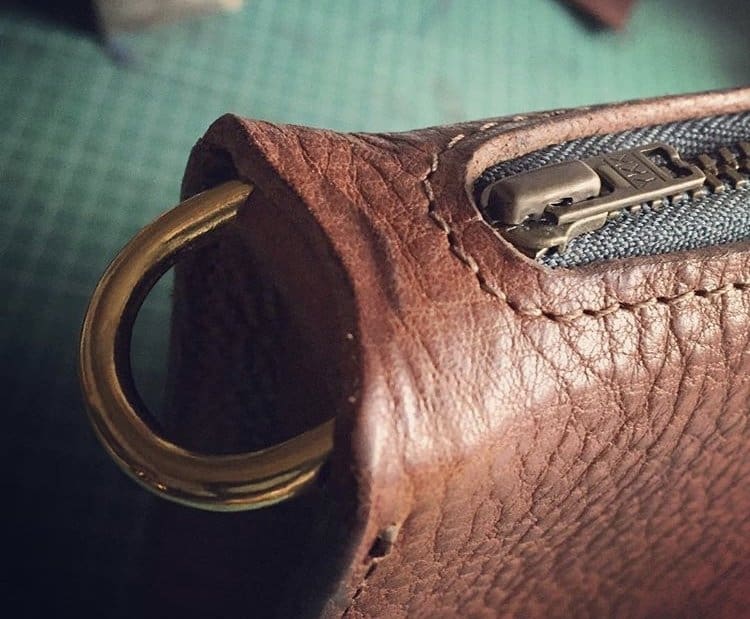
Looking at vegan leather sustainability alongside ethical leather options highlights the importance of understanding product life cycles. When we know how materials are produced, used, and disposed of, we can make better-informed choices. In an age of rapid consumerism, slowing down and choosing materials thoughtfully matters more than ever.
I hope this post encourages a more nuanced conversation about vegan leather sustainability and ethical leather, and helps you think more critically the next time you’re choosing between leather and faux leather products.